Currently Empty: R0.00


There’s a version of school holidays that most people recognise. You’ve been running hard – work, kids, exams, the relentless pace of term – and the moment the break arrives, you crash. You sleep late, eat whatever’s easy, watch more television than you planned, and two weeks later you feel vaguely guilty and not entirely restored.
That’s not a reset. That’s a collapse.
The distinction matters, because this winter break – particularly coming off the back of exam season – is a genuine opportunity. Not to be productive. Not to tick off a list. But to actually restore your body and mind in a way that sets the second half of the year up properly.
Here’s what that looks like in practice.
Sleep quantity and quality
The first thing most people do in the holidays is sleep more, which is exactly right. Sleep debt is real – research suggests it takes roughly four days of adequate sleep to recover from a single hour of nightly deficit sustained over a week. If exam season meant late nights and early mornings, your body is carrying a meaningful sleep debt that needs to be paid back.
But quantity alone isn’t the whole story. Sleep quality matters too. Screens close to bedtime, alcohol in the evenings, and irregular sleep times all fragment the deep sleep stages where the most important recovery happens. Using the holidays to establish a more consistent, screen-reduced wind-down routine will return more than just extra hours in bed.
Nutrition that takes you from survival mode to restoration
During term and exam season, eating often becomes functional – whatever’s fastest, whatever’s available, whatever gets everyone through the day. The holidays offer something different: time to actually nourish rather than just fuel.
Focus on anti-inflammatory foods – colourful vegetables, oily fish, nuts, legumes – and reduce the processed, convenience-heavy eating that accumulates during busy periods. Warm, mineral-rich foods suit winter well: bone broths, root vegetables, slow-cooked meals. Your gut, which takes a significant hit during high-stress periods, will respond well to the change.
Address what stress depleted
This is the part most holiday recovery plans miss. Sustained stress – the kind that builds through weeks of pressure – depletes specific nutrients at an accelerated rate. Minerals are particularly vulnerable: magnesium, zinc, and a range of trace elements that underpin energy production, immune function, and cellular repair.
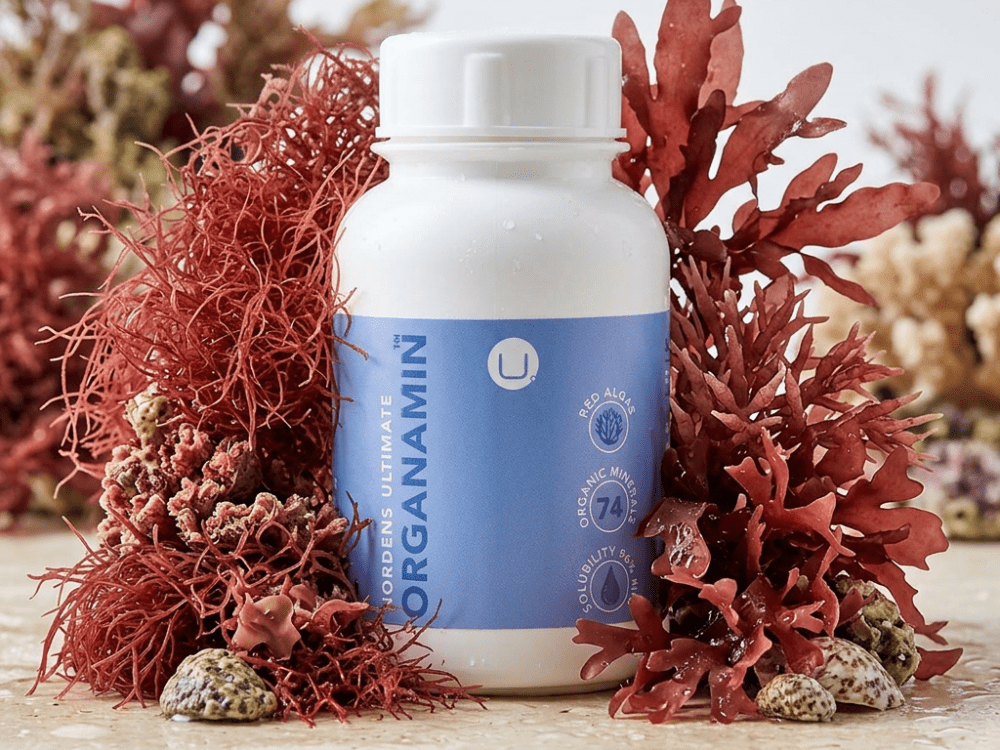
Supplementing with a broad-spectrum mineral complex during the recovery period isn’t about chasing performance. It’s about restoring a foundation. When your mineral reserves are adequate, everything else – sleep, energy, mood, immune resilience – works better.
Movement that restores rather than depletes
The holidays aren’t the time for punishing exercise regimens. But gentle, consistent movement – walking, stretching, yoga, a slow morning jog – supports circulation, lifts mood through endorphin release, and helps regulate the stress hormones that have been elevated for weeks. The goal is to move because it feels good, not because you’re trying to compensate for something.
Mental recovery. The part we don’t talk about enough.
Cognitive fatigue is real and often underestimated. If you or your child has been in sustained high-focus mode for weeks, the brain needs genuine downtime – not just a switch from studying to scrolling. Time in nature, creative activities with no output pressure, and genuine social connection (not social media) all support cognitive restoration in ways that passive entertainment doesn’t.
The bottom line
The winter break is short. Using it well doesn’t mean filling it – it means being intentional about what you’re restoring and giving your body the conditions to actually do it.
Come the end of July, you want to feel like the break actually happened.
Nordens Organamin is available at https://www.nordens.co.za/product/calcium-supplement-zinc-magnesium/. As with all supplements, consult your healthcare practitioner if you have specific health concerns.